Walter Swingle’s family tree
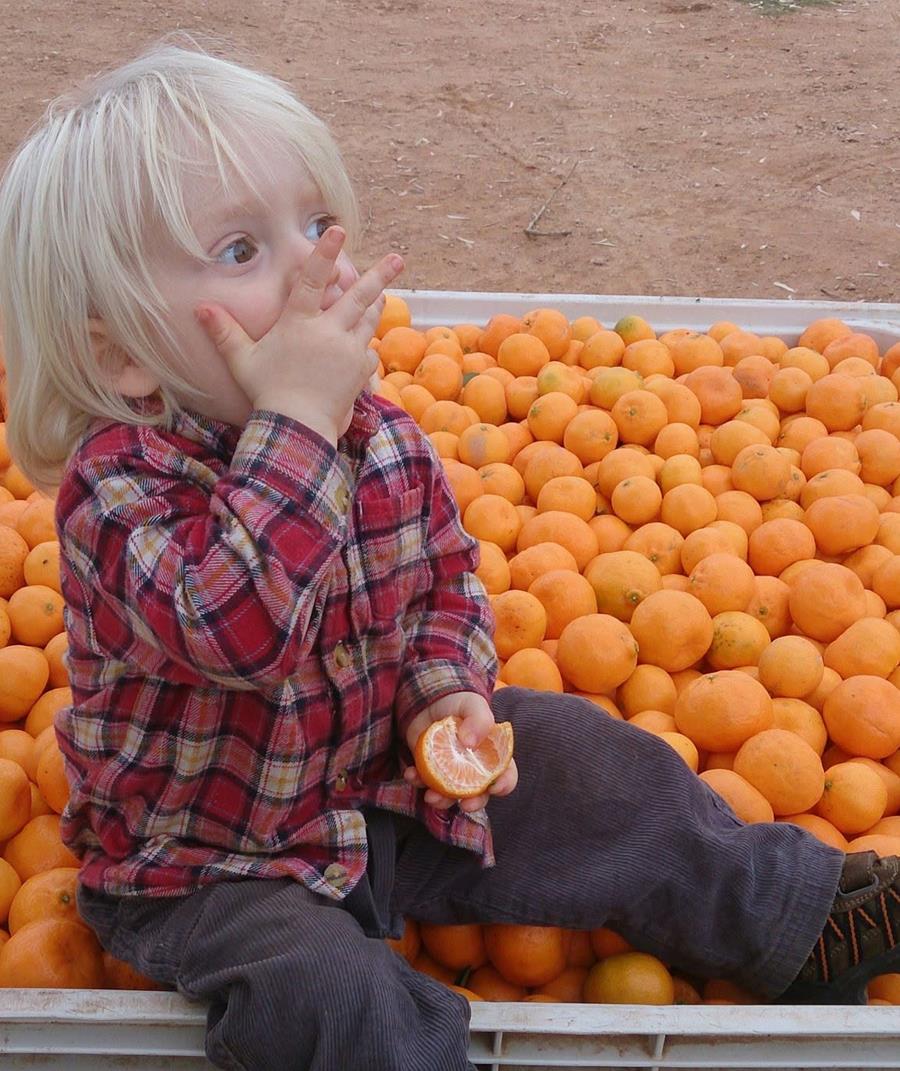
Last weekend I ate the first of Gaby Robb’s aka The Orange Lady’s imperial mandarins for the year.
Grown on the family orchard in Red Cliffs on Millewa-Mallee Country, the early mandarins, unlike many other fruits, are at their best at the start of the season.
Tart, sweet and juicy with that hit of vitamin C, mandarins are perfectly timed for the first really cold days of the year.
When Cian, Fair Wood’s young timber salesman, pulled a mandarin from his lunchbox and said they were one of the things he loved about winter during the week, I got thinking about where mandarins came from?
Immediately I found myself down a taxonomic citrus worm hole with Walter Tennyson Swingle.
In the 1900s Walter Swingle, aka father of the tangelo, was a young USDA botanist and plant breeder based in Florida.
At the time citrus taxonomy was a bit contested mess. Swingle decided the best way he could help the citrus industry develop new more productive and disease reisistant varieties was to understand how the citrus family tree fit together. A mission that would take him decades.
Up against his great academic adversary Tyōzaburō Tanaka, the Japanese mandarin specialist who theorized modern citrus was made up dozens of separate species, Walter Swingle’s greatest achievement, apart from the development of the industry transforming trifoliate orange rootstock, was establishing that the origins of hybrid-happy citrus was in fact a lot simpler.
Walter Swingle’s citrus family tree theory found that all major commercial citrus fruits descended from just three ancestral species…the citron, the pomelo and the mandarin.
From just these three trees Walter Swingle proved that sweet oranges are a mandarin and pomelo hybrid. Grapefruit, which came from 1700s Barbados, are a sweet orange and pomelo hybrid. Limes are a citron, pomelo & mandarin hybrid, while lemons are a double cross of citron and sour orange (which is a mandarin and pomelo cross).
Walter Swingle’s interests weren’t just confined to commercial citrus.
His investigations into the origins of Australia’s native citrus species found that a wild citrus ancestor was cut off from the rest of its family roughly four million years ago by continental tectonic shifts that created the Wallace Line — the biogeographic division running between Bali and Lombok that gives Asia elephants, tigers and teak trees and Australia kangaroos, platypuses and eucalypts.
The isolated Australian citrus split into six subspecies including finger and desert limes.
Today, the long separated Australian citruses are being brought back together with their long lost Asian cousins by scientists breeding hybrids rootstocks of finger and desert limes with sweet oranges in the hope of resisting huanglongbing disease which is threatening world citrus crops.
So far in Australia we are fortunately huanglongbing free and this week at Fair Food we’re pretty happy to have lots of organic and IPM citrus on special, including Gaby Robb’s freshly picked mandarins, navels and cara cara oranges.
This week while you’re peeling yours maybe give Walter Swingle a little orange peel smile.
Double your impact this week
For this week until June 18th, every donation to the CERES Annual Appeal will be matched dollar for dollar by a group of generous partners.
That means your gift will have twice the impact: helping more people connect with nature, learn practical skills, build community and create positive change.
Have a great week
Chris