
Protein Protein Protein
I realised recently that I was the only person in our household not thinking, talking or eating more protein.
Out of nowhere my gym-going sons have developed an encyclopedic knowledge of the grams of protein contained in a dizzying number of foods
Egg and yoghurt consumption has gone through the roof, cottage cheese has time-travelled from the 70s and reappeared in our fridge and a large black barrel of protein powder has taken up residence in one of the kitchen drawers.
A quick poll at work reveals that lots of people, a good number of them with no interest in bulking or cutting, have also increased their intake of protein for various reasons.
It got me wondering if we could find some protein that fitted in at Fair Food – which led me to embark on a protein odyssey…
Protein, from the Greek proteios meaning “of first importance” was sort of discovered in 1838 but took a very long time to nail down what it was and how it all actually worked.
Basically protein builds and repairs tissue, supports our immune systems, produces hormones and enzymes, and keeps muscles strong.
The world’s first protein powder appeared in the mid-1800s. Dried milk powder was revolutionary, providing a cheap, portable high-protein food, it was marketed by companies like Nestle as an infant formula that could grow strong, healthy children.
Almost 100 years later bodybuilders in 1950s USA super-sized the infant formula idea as a way of getting large amounts of protein into their bodies without having to eat it with food.
Leading this movement weight-lifter and nutritionist, Irvin Johnson, who on the advice of a mystic changed his name to Rheo H. Blair, made his fortune selling milk-and-egg protein powder to the golden generation of American bodybuilders and Hollywood movie stars.
Bob Hoffman, “the father of American weightlifting,” marketed the same idea to the masses with a hard to digest but much cheaper protein powder made from soya beans, which were being produced on an industrial scale for animal feed.
Marketed at gyms and in the back pages of muscle mags these two supplementeers dominated the protein powder market for decades until whey came along.
In the 1970s waste whey, a by-product of the cheese-making industry, was so plentiful it was creating a serious disposal problem.
Seeking a solution dairy scientists powdered the waste whey and found it had a better protein and amino acid profile than milk powder!
Over the next four decades riding the waves of the 80s fitness boom, the 2000s Atkins diet, the rise of online supplement sites and Gen Z gym goers whey-based protein powder rode out of the gym and into a $114 billion mainstream market.
Recently the low carbers and gym junkies were joined by new and unlikely groups – research showed increased protein intake helped perimenopausal and menopausal women and people over 80 to stop sarcopenia (age-related muscle loss) a major cause of falls and disability.
Suddenly it seems like everyone’s looking for protein, protein, protein.
The problem with whey-based protein powders is that our guts don’t really like them.
Get on a gym-users forum and you’ll hear tales of post-protein shake bloating, nausea, gas and stomach pain caused by whey’s hard to digest lactose and the added artificial sweeteners, thickeners, gums, emulsifiers and stabilisers added to make them taste and dissolve better.
So what’s the alternative?
Well, brown rice protein is one.
The problem with turning regular brown rice protein into a protein supplement is that unlike whey brown rice doesn’t have all the amino acids to make a complete protein.
Fermented rice dishes like Chinese Hong qu (red yeast rice) and Indian dosa have been used in Asian food traditions for thousands of years to make protein and nutrients more available but fermenting is still not enough to create a viable protein powder.
In the early 2000s researchers in the US found that if they sprouted brown rice before fermenting it they could create a raw, easy to digest complete protein that was assimilated into the body at a higher rate than even whey and also had a load of other benefits.
Containing more arginine than any other protein, brown rice protein supported better blood flow and nutrient delivery to muscles, rich in glutamine it enhanced growth hormone levels and best of all it was a raw one ingredient product that was gentle on stomachs.
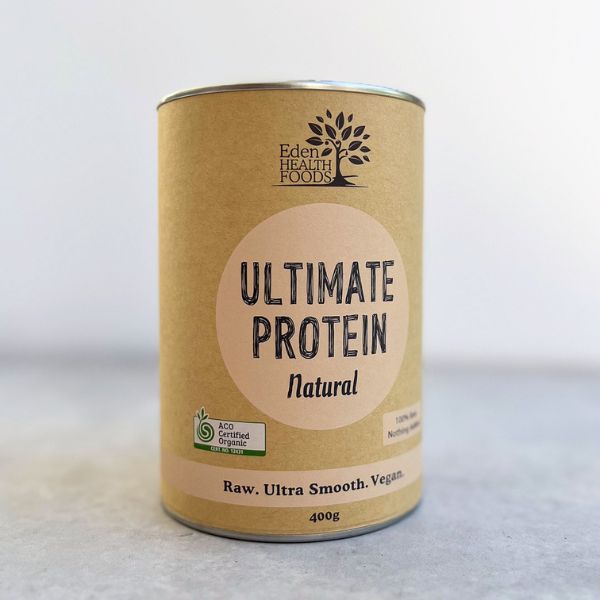
If you’re increasing your protein intake and whey’s not doing it for you we’ve found an organic sprouted and fermented brown rice protein powder that you can try here – Ultimate Protein from Eden Healthfoods. (Find it in our Protein Supplement aisle alongside Best of the Bone concentrates and Stock Merchant broths).
Have a great week
Chris