
Cacao
Three generations of Jamie Salter’s family – his grandmother, father, mother, two brothers, three sisters and an aunt, have worked at the Cadbury factory in Claremont near Hobart.
Over almost 40 years Jamie has risen through the ranks to become Claremont’s manufacturing manager – he’s proud of his work and the contribution his chocolate factory makes to the community.
Each year his 700-strong staff make over 200 million blocks of chocolate as well as all the Freddo Frogs and Caramello Koalas eaten in Australia.
Obviously this requires a huge amount of cacao which arrives in the form of cocoa liquor, cocoa butter and cocoa powder from the global grinding companies, who in turn process cacao collected from thousands and thousands of mostly West African farms.
If Jamie Salter ever wanted to see where his cacao beans came from, he would have to travel 45 hours and 15,000 kilometres taking three flights, two taxi rides and a long four wheel drive trip to get to Kumasi in the heart of Ghana’s cocoa-growing region.
On Monday part two of ABC Four Corners Duped: Food Exposed investigation aired some of what a jet-lagged Jamie Salter would have seen arriving in Kumasi.
Communities living in extreme poverty, farmers paid a pitance, children as young as nine picking cacao, clearing weeds with machetes and spraying chemicals without protection.
The cruel hopelessness of it all being obscured behind chocolate company certification schemes that seemed to be working more as marketing tools.
I could imagine Jamie asking how a company that could look after his workers so well that they stayed on for an average of 21 years could then turn around and pay so little for its cacao that these communities were taking their kids out of school to provide cheap labour?
I’m pretty sure nobody along this whole tortuous supply chain that goes from buying agent to licensed co-operative to national marketing board to bulk exporter to cacao grinder to manufacturer and retailer wakes up in the morning and decides to force children into slavery.
And that’s the rub – when the children forced to pick cacao pods are seven middlemen away from the person eating the chocolate bar – is anyone really responsible?
Which was the actual conclusion of a US district court that dismissed a lawsuit accusing Nestlé, ADM and Cargill of aiding and abetting child slavery in the chocolate trade.
One response to all this has been the bean-to-bar chocolate movement typified by Melbourne chocolatiers like Monsieur Truffe, Cocoa Rhapsody, Ratio and Atypic.
Their philosophy is creating great chocolate from scratch underpinned by a connection with growers who are paid fair prices for cacao.
One of the key players in this movement is Brisbane-based social enterprise Makira Gold which supplies Solomon Islands grown cacao to both Atypic and Ratio and many other Australian, New Zealand and European chocolate makers.
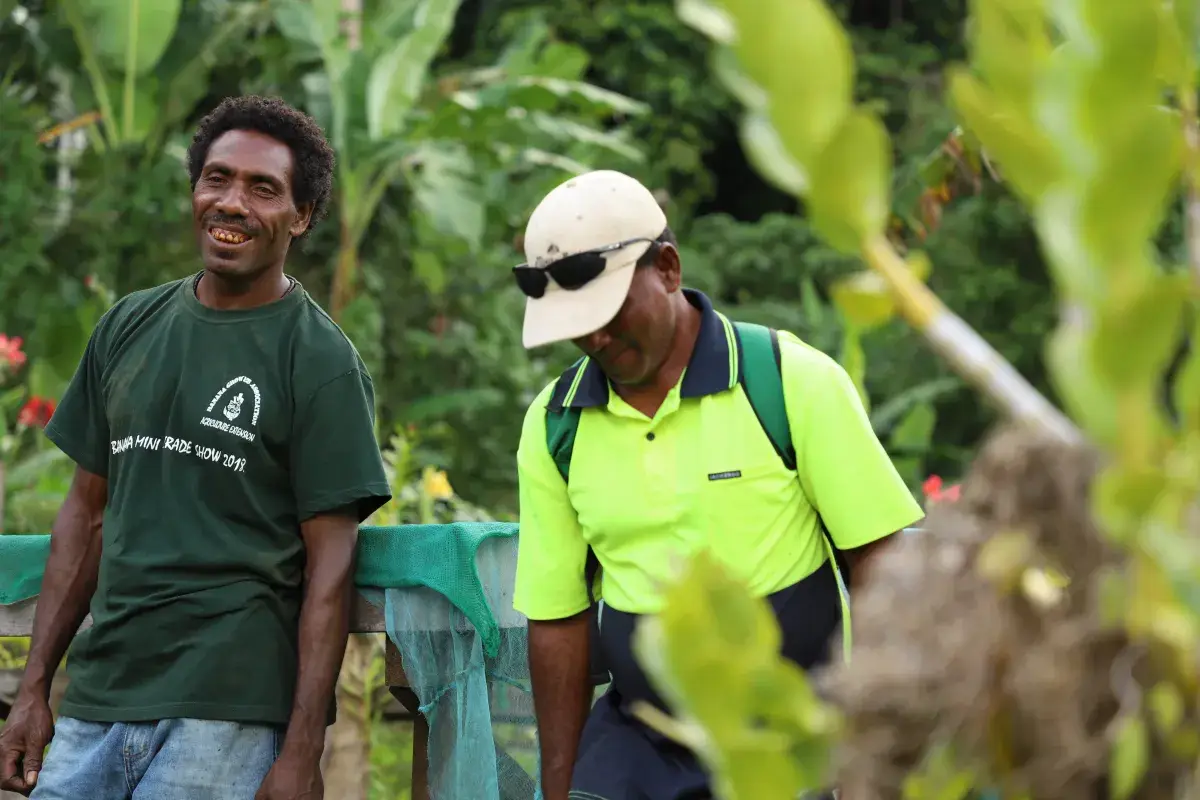
Founded by Solomon Islander Brian Atkin, who had moved to Brisbane, to work on energy projects – the idea was to provide income for his impoverished rural community of Tawatana on the island of Makira.
A dozen years on Makira Gold has grown to include other Solomon Islands communities and pays its award-winning farmers David Kebu, Kenny Patovaki, Philip Lepping, Cathlira, Lenard Nahurua, Biana Bana farmers co-operative, Black Post co-operative, Tenaru co-operative, Agnes Pilopaso, Luz Kasimwane and Jasper Iniga 75% to 200% above the market price.
Makira Gold provides technical support and guidance for growers and even has some great travel tips for chocolate makers visiting the Solomon Islands on its website
This week, to shine a light on delicious chocolate you can trust, we’ve got Atypic’s 70% Dark Single Origin Solomon Islands and 50% Milk Chocolate Heart Of Pacific with Biscuit Crumbs on special.
Keep warm and have a great week.
Chris