16
Growing up I never really thought about where our food came from.
If you asked me, I would have said my dad’s veggie patch, our chooks and the supermarket – which I assumed bought everything off the nearby market gardens and orchards, Shands our local bakery, the abattoir and dairy factory outside of town, and wherever it was Sanitarium made Weetbix.
The supermarket, along with my school, the Shire and the local Church, just sort of benignly existed no different to the river that ran through our town or the couch that had always been in our lounge room.
I didn’t think much about food until much later when I came across farmers and thinkers like Frances Moore Lappé, Wendell Berry, Helena Norberg Hodge, Vandana Shiva, Michael Ableman, Bob Phelps and Eliot Coleman.
Through them I learned about multinational companies like Monsanto promoting sprays to farmers that destroyed the life in soils and the beneficial insects that helped protect their crops and locked farmers into using more and more of their products each year.
I found out about patented seeds that farmers couldn’t save for the following year’s crop. About the handful of global commodity trading conglomerates like Cargill that kept farmgate prices so low that cereal and pulse farmers were on a treadmill of squeezing labour costs, clearing more land, buying bigger machinery and taking on more debt just to keep farming.
I read about concentrated animal feeding operations, polluted aquifers, topsoil loss, cancer clusters and a stream of broken farm families walking off the land.
The biggest surprise to me though was our two major supermarkets.
Somehow it had come to pass that around three quarters of all Australian groceries were being sold through their checkouts and that we were (are) one of the most concentrated grocery markets in the world.
With their buying power, Coles and Woolworths could tell farmers what crops they could grow, how they grew it and what price they’d receive.
They could also charge farmers for marketing campaigns, waste fees, stocking fees, destocking fees and invoices for lost profits if produce was put on special.
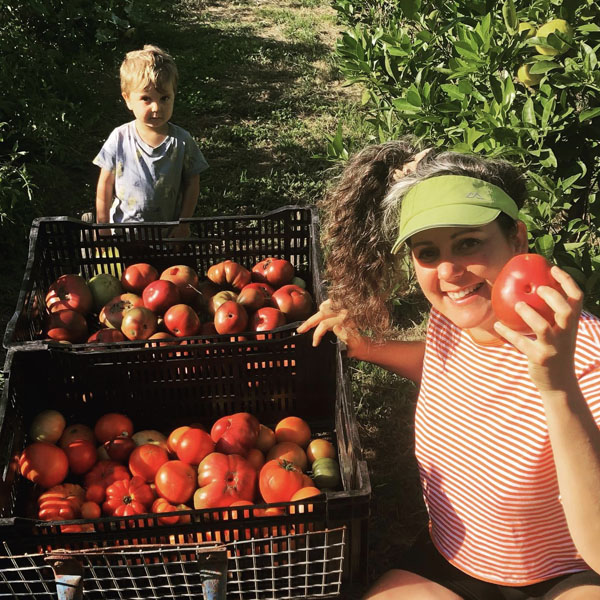
I began to notice at my supermarket how the tomatoes were pale pink, rock hard and didn’t taste like tomatoes, how most of the food for sale was highly processed and made from cheap commodities and that a lot of the things we once grew or made here were being imported from other countries at impossibly low prices.
Perhaps it was unconscious at first; a reaction against the loss of variety and taste, an unease with all the processed food or the way farmers were being pushed out but a kind of movement began building.
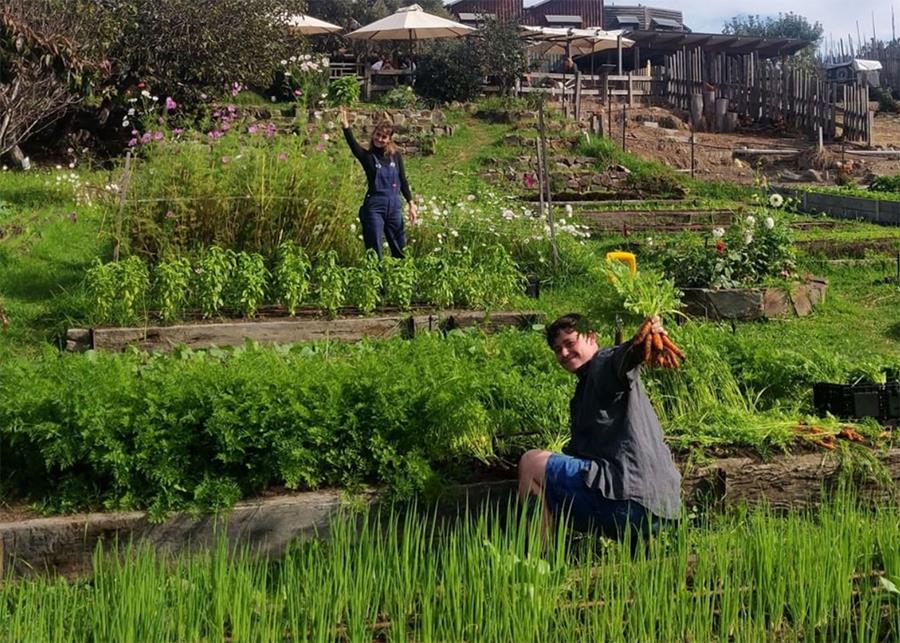
In the eighties at CERES it manifested in the form of local Maltese immigrants and Permaculturalists starting a community garden. Next to them fourteen families took turns to look after a flock of chooks one day a fortnight each – they called it The Chook Group. Across the former Brunswick East tip site, fruit trees were planted and garden beds built.
In the nineties and early 2000s as farmers markets and veg box schemes began popping up everywhere CERES established an urban organic market garden at Honey Lane soon to be followed by the CERES Organic Market.
Out of the CERES Market (now CERES Grocery), a simple weekly food co-op started packing locally sourced organic fruit and vegetables for CERES Staff.
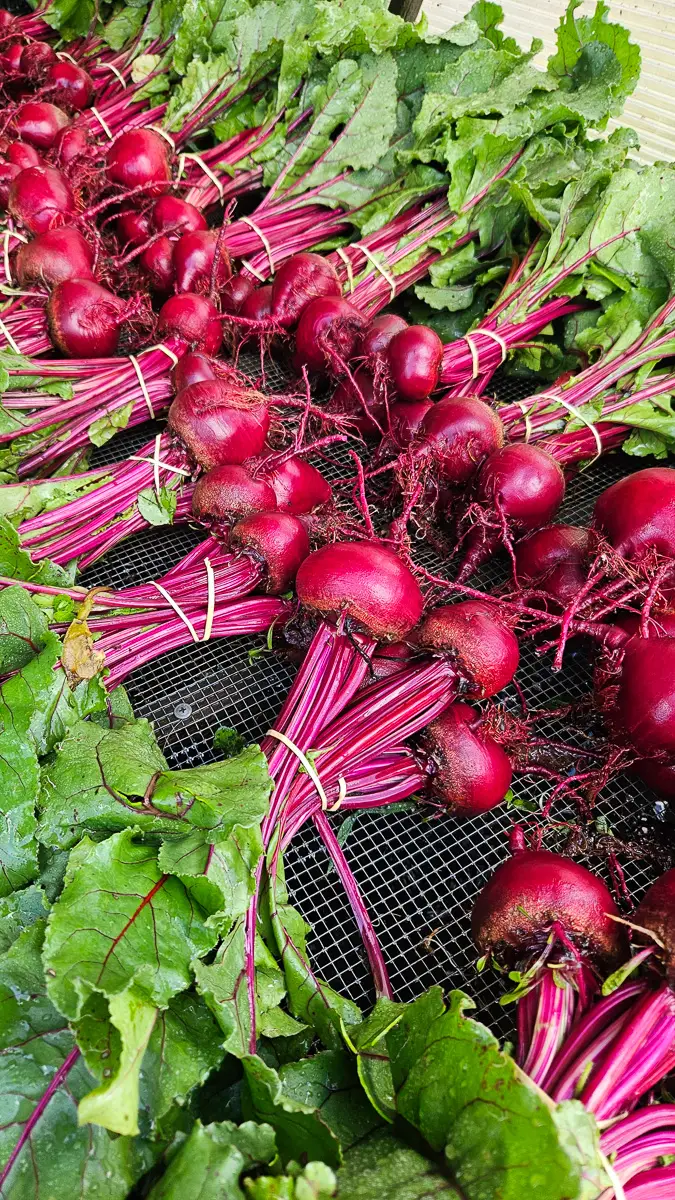
Run by volunteers off a picnic table, it supported small organic farmers paying them a fair price for their produce.
Word spread; groups of friends and neighbours asked if CERES could help start their own food coops.
Within a couple of years CERES had helped establish eleven local coop groups and was supplying food to around 300 people a week. It felt good. Really good.
In 2008 the Global Financial Crisis hit and in 2009 CERES won a federal government grant to employ people who had been affected.
A warehouse was leased, a van and forklift bought, a website built and thirteen people, including some who were seeking asylum, were employed.
On July 1st 2010 CERES took its food coops online and delivered its first fruit and veg boxes.
It was called Fair Food.
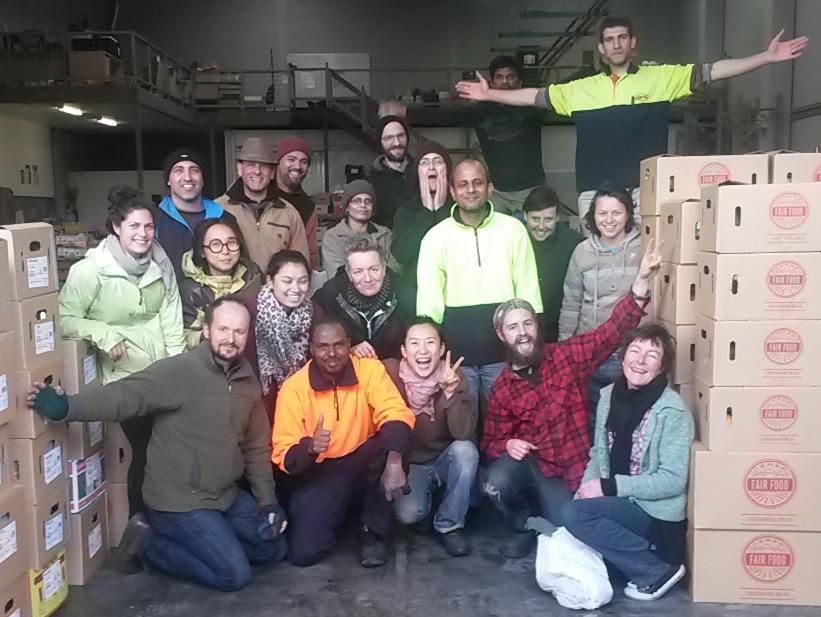
This week staff gathered at the Fair Food warehouse to celebrate our sixteenth birthday and remember how and why we started and how far we’ve come.
We remembered the 400 or so people who have worked with us at Fair Food, the 300 odd farmers and makers who have supplied us and the 35,000 customers who have shopped here and supported a fairer food system over the past 16 years.
It felt good. Really good…
Have a great week
Chris