Pesticides on our plates
What you need to know
This October, a damning report found illegal levels of pesticides on fruit and veg from Coles, Woolworths and Aldi, alongside high levels of chemicals deemed too dangerous to use in much of the world.
It comes hot on the heels of a Four Corners investigation into food fraud in Australian supermarkets, which exposed widespread problems with the integrity of our food supply.
They’re both symptoms of a broken globalised food system. Of supply chains so long and opaque that somehow everyone, except the big supermarkets, lose.
Here’s what you can do:
1. Buy organic when you can and know your grower
Start with your everyday favourites. An apple a day kind of person? Blueberries by the punnet? Start there. Small swaps, where you can, are a good place to begin.
Farmer’s markets, farm gates, food swaps (and us!) are all great ways to get to know where your food comes from and how it’s grown.
You’ll find more grower info on individual items and on our Growers and Makers page.
2. Choose local, organic fruit and veg in season
When produce is plentiful, prices can be lower and specials more likely. Look out for what’s in season rather than buying the same things all year round.
Some chemicals, like PFAS, can build up in your body over time, so repeated exposure is worth paying attention to.
And keep an eye on specials. Build your meals around what’s good value that week. An adaptable kitchen can be a cost effective one – check out our recipe collection for tasty inspiration!


3. Get to know IPM
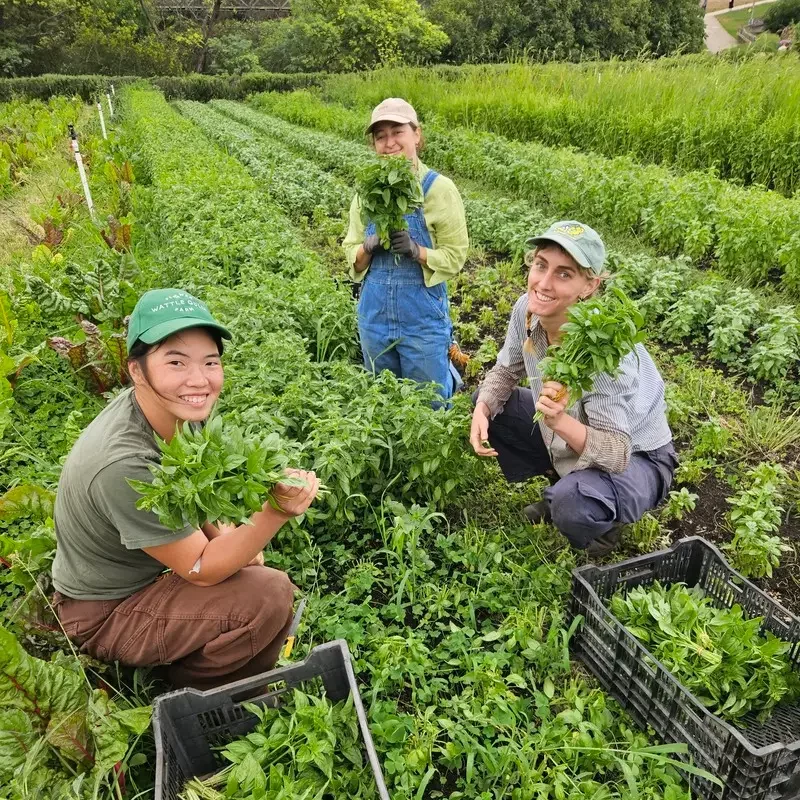
Look out for produce grown using Integrated Pest Management (IPM), which helps farms reduce reliance on pesticides. Not all conventional farms are managed the same way. You’ll find our IPM-grown produce here – or look out for the ladybird!
4. Try a Mixed Box
Our organic and IPM fruit and veg boxes offer a convenient way to get a seasonal mix of produce, often at better value than choosing every item individually. They’re a great way to discover what’s fresh and try something new. A large portion of our customers build their order with a mixed box, then add favourite extras on top (like those organic strawberries on special).
5. Use the Dirty Dozen and Clean 15 as a rough guide
These lists, published annually by the US Environmental Working Group, highlight produce with relatively higher and lower pesticide residues in US testing. They’re not Australian rankings, and they don’t guarantee that any particular fruit or vegetable is residue-free. If you’re prioritising your organic spend, they can be one consideration alongside seasonal availability and price.
Dirty Dozen (highest residue)
Think soft fruit, permeable edible skins, leafy greens. These tested the highest for pesticide residue (2026):
- Spinach
- Kale, collard and mustard greens
- Strawberries
- Grapes
- Nectarines
- Peaches
- Cherries
- Apples
- Blackberries
- Pears
- Potatoes
- Blueberries
Clean 15 (lowest residue)
Think robust fruit and veg, and produce with protective outer layers. These tested the lowest for pesticide residue (2026) – with nearly 60% having none at all.
- Avocados
- Sweet corn
- Pineapples
- Onions
- Papaya
- Sweet peas (frozen)
- Asparagus
- Cabbage
- Cauliflower
- Watermelon
- Mangoes
- Banana
- Carrots
- Mushrooms
- Kiwifruit
More tips to reduce pesticide residue?
– Try a baking soda soak. 1 tsp in 2 cups of water for 12-15 mins, then rinse well.
– Use a veg wash. They’re designed to remove surface residue of pesticides, oils, waxes and dirt.
– Get scrubbing. Use a clean veg brush on firm produce like carrots, spuds and pumpkin.
– Go frozen. Look for frozen organic berries in bulk, especially good for regular bakers and smoothie-makers.
– Mix it up. Rotate the fruit and veg you eat throughout the week.
Want to know more?
CERES Fair Food founder, Chris Ennis, looks at the history of chemical industry influence, the latest pesticide residue findings and why we should be asking harder questions about what’s on our plates.